Halal Coconut Cream: Complete Certification Guide for Food Service
The US halal food market is projected to reach $89 billion by 2026. Here's how to serve it with the right coconut cream.
The US Muslim population exceeds 3.5 million and is growing steadily. Halal food has moved beyond niche status — major grocery chains are launching dedicated halal sections, and restaurants with halal certification see measurably higher traffic from Muslim and halal-conscious diners.
Coconut cream is a staple in halal cooking — curries, desserts, drinks, and sauces. But not all coconut cream carries a recognized halal certification. Here's what to look for.
What Makes Coconut Cream Halal?
Pure coconut cream — made from coconut flesh and water — is inherently halal. However, processed coconut cream products can contain additives that compromise halal status:
- Emulsifiers — some are derived from animal fats
- Stabilizers — gelatin-based stabilizers are not halal
- Processing aids — shared equipment with non-halal products
- Cross-contamination — facilities that also process non-halal items
A halal certification from a recognized body (MUI, IFANCA, ISWA) verifies the entire supply chain — from raw ingredients through processing and packaging.
Kara's Halal Certification
Kara coconut cream holds MUI (Majelis Ulama Indonesia) halal certification — the Indonesian Ulema Council, one of the most recognized halal certifying bodies globally. MUI certification covers:
- Raw material sourcing and verification
- Manufacturing process and equipment
- Facility cleanliness and cross-contamination controls
- Packaging materials
- Regular audit and renewal
Kara's ingredient list is simple: coconut extract and water. No preservatives, no flavourings, no colourings, no emulsifiers. This simplicity makes halal compliance straightforward.
Why Halal Certification Matters for Your Business
- Market access — The US halal food market is projected at $89 billion by 2026. Halal-certified ingredients open this market.
- Customer trust — Muslim diners look for certification, not just ingredient lists. A recognized mark (MUI, IFANCA) builds immediate trust.
- Menu flexibility — Halal coconut cream works in every dish: curries, desserts, drinks, ice cream. One ingredient, full menu coverage.
- Dual appeal — Halal certification also signals quality and purity to non-Muslim customers who associate halal with clean, ethical food production.
Key East Coast Halal Markets
The largest concentrations of halal food demand on the East Coast:
- NYC / Northern NJ — Largest Muslim population in the US East Coast. Dearborn-style halal restaurants expanding rapidly. H Mart and ethnic grocery chains serving this market.
- Washington DC metro — Large diplomatic and professional Muslim community. Growing halal restaurant scene.
- Atlanta — Expanding Muslim community, halal grocery stores along Buford Highway corridor.
- Miami / South Florida — Caribbean Muslim community plus tourism from Muslim-majority countries.
- Boston — University-driven Muslim population, high demand for halal options near campuses.
Kara's Full Certification Stack
Beyond halal, Kara carries certifications that matter for food service:
- Halal (MUI — Indonesian Ulema Council)
- Kosher (OK Kosher Certification) — serves Jewish dietary requirements too
- Non-GMO Project Verified
- FSSC 22000 (Food Safety)
- Rainforest Alliance
- Vegan, Dairy-Free, Gluten-Free
No competitor offers this combination. Having both halal AND kosher certification means one coconut cream product works for virtually every dietary requirement your customers might have.
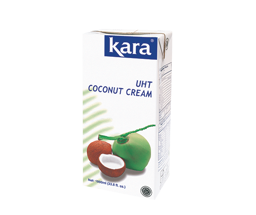
Ready to try Kara Coconut Cream?
1000ml UHT Tetra Pak. 24% fat. 18-month shelf life. No refrigeration. Monkey-labor-free. $43/case (12 packs).